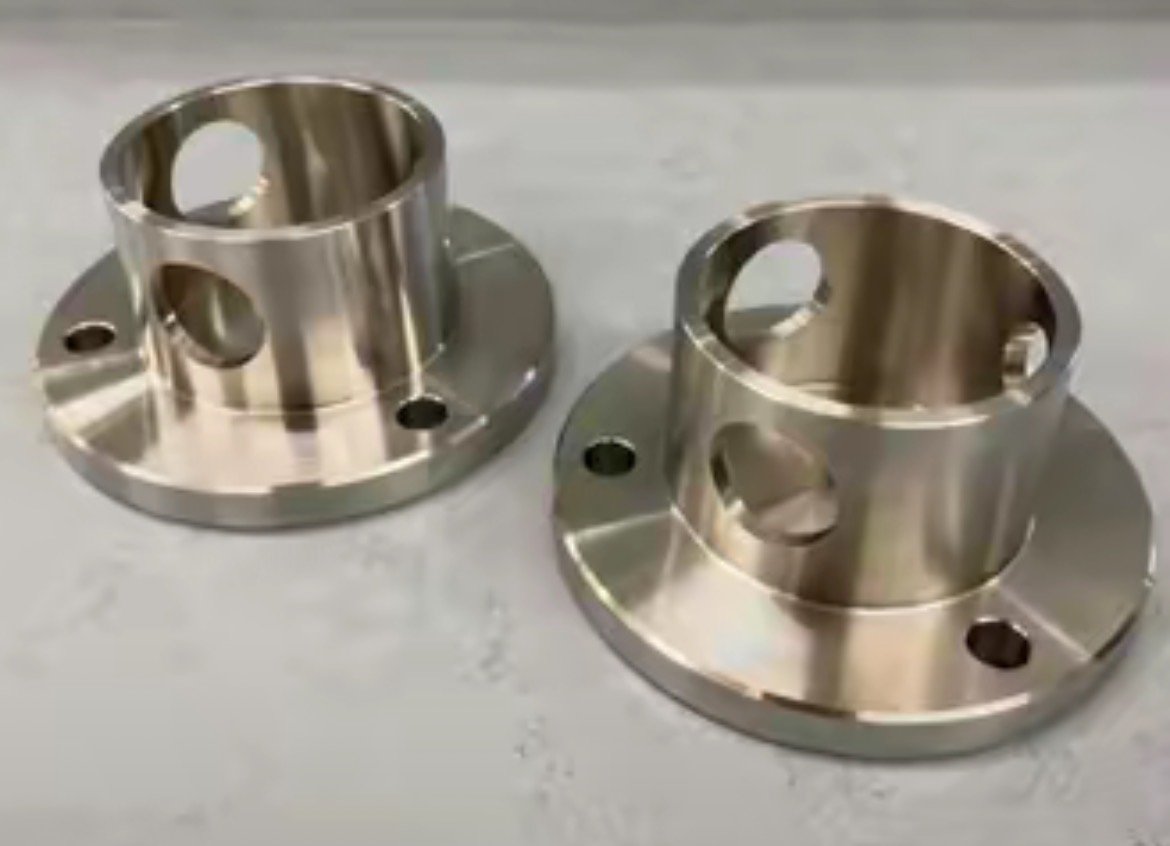
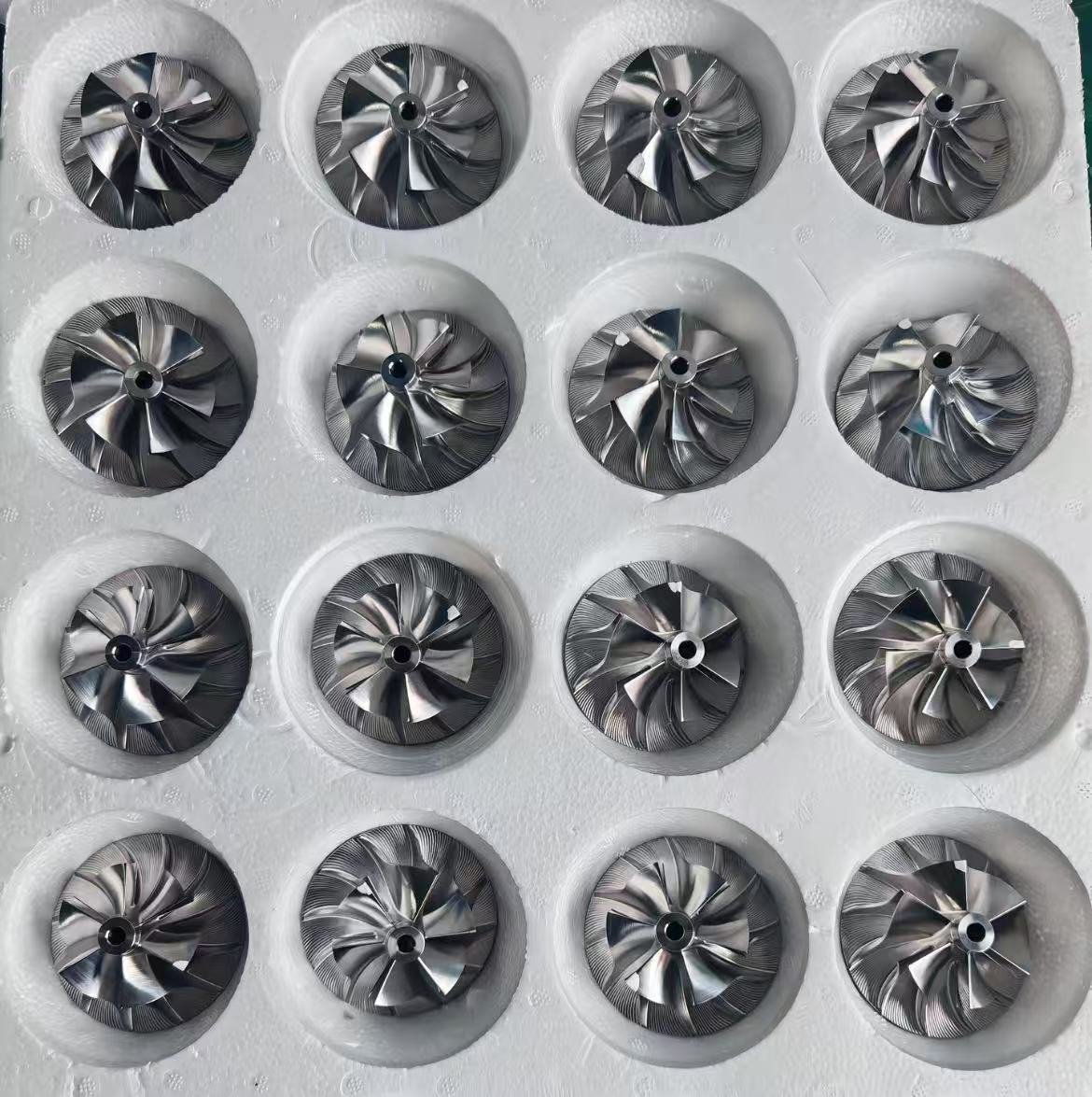
In high-end precision manufacturing, choosing the right special material is often more important than the machining process itself. The material determines the part’s strength, durability, stability, corrosion resistance, and even its final cost.
In this blog, we introduce the most commonly used special materials in CNC machining, mold components, automotive, medical, and aerospace industries — so you can clearly know which material is best for your project.
What Are Special Materials?
Special materials refer to metals and alloys with excellent mechanical properties, high temperature resistance, corrosion resistance, high strength, or special physical characteristics.
They are widely used in demanding applications where standard aluminum or steel cannot meet performance requirements.
Top Special Materials for Precision CNC Machining
1. Titanium Alloy (Ti-6Al-4V)
Titanium alloy is known as the “space metal” and is one of the most popular special materials.
- High strength, low weight
- Excellent corrosion resistance
- High temperature resistance
- Biocompatible for medical use
Best for: Aerospace parts, medical implants, automotive performance parts, marine components.
2. Stainless Steel 316L
A ultra-high-grade corrosion-resistant stainless steel.
- Extremely resistant to rust and chemicals
- High strength and toughness
- Smooth surface finish
Best for: Medical devices, food machinery, marine equipment, chemical parts.
3. High-Speed Steel & Mold Steel (H13, SKD61, DC53)
These are special tool steels designed for molds and high-wear components.
- Excellent hardness after heat treatment
- High wear resistance and long service life
- Stable under high temperature and pressure
Best for: Mold inserts, core pins, ejector pins, stamping dies, precision tooling.
4. Brass & Copper Alloys
Excellent electrical and thermal conductivity.
- Easy to machine
- Good corrosion resistance
- Beautiful surface finish
Best for: Electrical connectors, heat dissipation parts, decorative components, fittings.
5. Special Alloys (Inconel, Monel, Hastelloy)
These are high-performance alloys for extreme environments.
- Ultra-high temperature resistance
- Extreme corrosion resistance
- High pressure stability
Best for: Aerospace, chemical, oil and gas, defense industries.
6. Engineering Plastics (PEEK, POM, PEI)
High-performance engineering plastics are also important special materials.
- Lightweight
- Insulating, non-conductive
- Chemical resistant
- Medical and food safe
Best for: Medical instruments, electrical parts, automotive components.
How to Choose the Best Special Material
To select the right material, ask yourself four key questions:
- What environment will the part work in? (temperature, humidity, corrosion)
- What mechanical properties are needed? (strength, hardness, wear resistance)
- Are there any industry standards? (medical, aerospace, food grade)
- What is your budget and lead time?
By balancing these factors, you can choose the most cost-effective and reliable material.
Conclusion
Special materials are the foundation of high-end precision parts.
Whether you need high strength, high temperature resistance, corrosion resistance, or biocompatibility, there is always a special material that fits your project.
Working with an experienced precision machining partner ensures your material performs well in both design and actual production.
If you need support in material selection or CNC machining for special materials, feel free to contact us for professional solutions.