
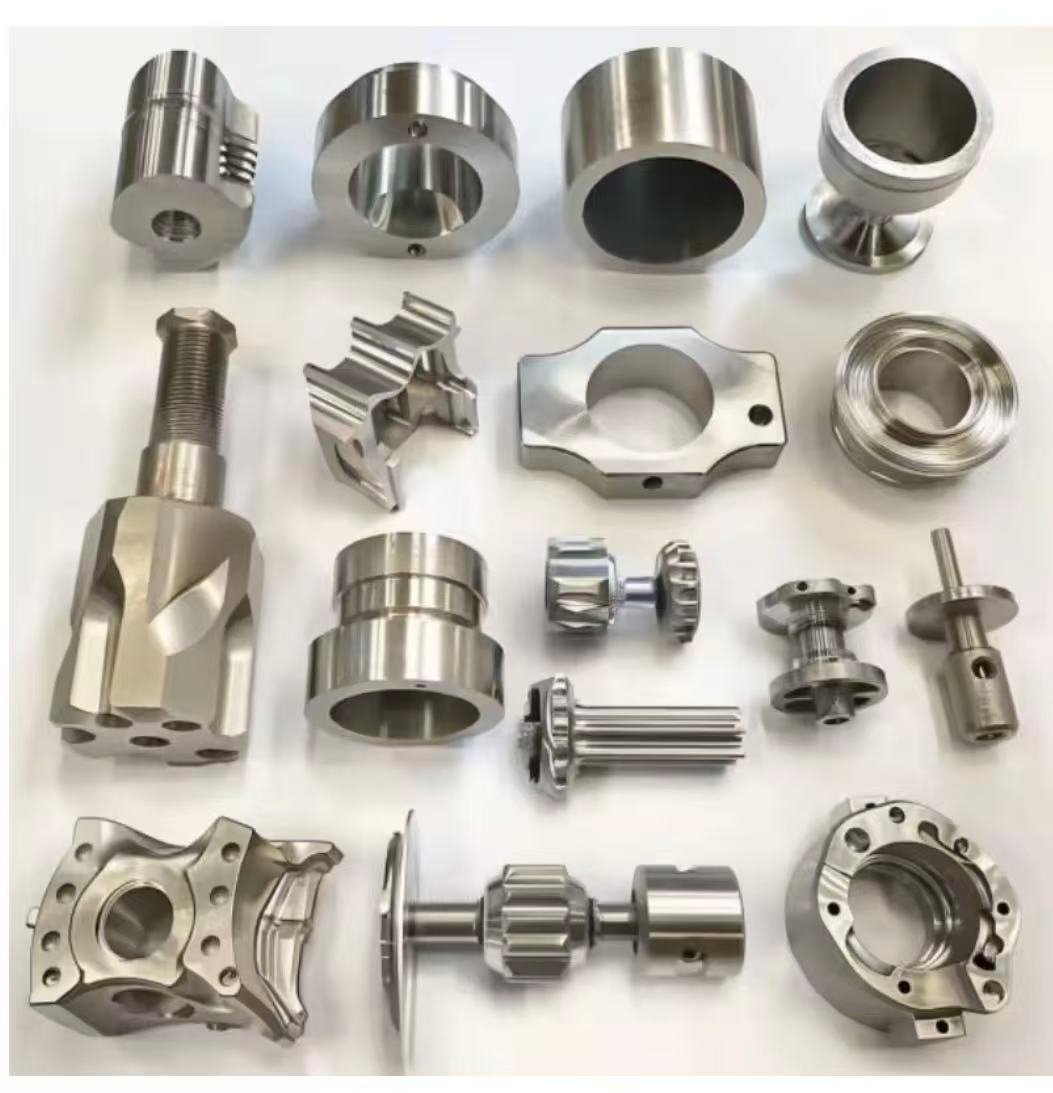
In modern manufacturing, custom low-volume machining is becoming increasingly prevalent, especially in prototyping, functional validation, and small-batch trial production. Unlike mass production, the cost structure of low-volume machining is more complex. Accurate estimation not only helps businesses control budgets but also provides a clear and credible basis for quotations when communicating with clients.
I. Core Factors Affecting Low-Volume Machining Costs
-
Material Costs
- Material Type: Prices vary significantly between different metals (e.g., aluminum alloy, stainless steel, titanium alloy) or plastics (e.g., ABS, PC, nylon). Additionally, the machinability of materials affects processing time and tool wear.
- Material Utilization: In low-volume production, materials are typically purchased in full blocks or rolls. Even if only a portion is needed, the cost of leftover materials is allocated, increasing the unit cost.
- Special Requirements: Specific heat treatment, surface finishing, or certifications (e.g., DFAR compliance) directly increase material costs.
-
Processing Technology and Labor Hours
- Processing Complexity: More complex part geometries (e.g., deep cavities, thin walls, multi-curved surfaces) require more processes, programming time, and tool changes, leading to higher costs.
- Processing Equipment: The operating costs of high-precision 5-axis machining centers, WEDM, and other equipment are much higher than standard 3-axis milling machines. Equipment depreciation and maintenance are reflected in hourly rates.
- Production Cycle: Setup time (programming, fixturing, debugging) accounts for a larger share in low-volume production. These fixed costs are spread over fewer parts, resulting in significantly higher unit costs than mass production.
-
Tooling and Auxiliary Costs
- Custom Fixtures: Customized jigs and fixtures are critical for ensuring machining accuracy and efficiency. Their design and manufacturing costs are allocated to low-volume parts.
- Tool Wear: Processing high-hardness materials or complex surfaces accelerates tool wear and replacement frequency, which is included in costs.
- Inspection and Quality Control: Low-volume production often requires stricter first-article inspection and process control, with costs for CMMs, metallographic analysis, etc.
-
Other Hidden Costs
- Design Changes: Frequent design modifications during processing lead to rework and material waste.
- Delivery Lead Time: Urgent orders require priority scheduling and may incur additional expediting fees.
- Packaging and Logistics: Packaging and transportation costs for small batches are relatively high, especially for special protection or international shipping.
II. Steps for Estimating Low-Volume Machining Costs
-
Clarify Requirements and Drawings
- Start with detailed 2D/3D drawings specifying dimensional tolerances, materials, surface roughness, heat treatment, and other key requirements.
- Confirm with clients the delivery quantity, lead time, and quality standards to avoid cost overruns from late changes.
-
Decompose the Process Route
- Determine the optimal processing technologies (e.g., CNC milling, turning, WEDM, EDM) and sequence based on part structure and precision requirements.
- Estimate processing time, tool types and quantities, and fixture design/manufacturing costs for each step.
-
Calculate All Costs
- Material Costs: Calculate procurement costs based on part weight and material utilization.
- Processing Costs: Compute direct processing fees using equipment hourly rates and total machining time.
- Auxiliary Costs: Include fixtures, tool wear, inspection, packaging, and logistics.
- Overhead and Profit: Add management overhead and a reasonable profit margin to form the final quotation.
-
Formulate the Quotation
- Itemize costs into a clear quotation, helping clients understand each expense and enhancing credibility.
- For complex projects, provide cost comparisons of different process options to help clients make optimal choices.
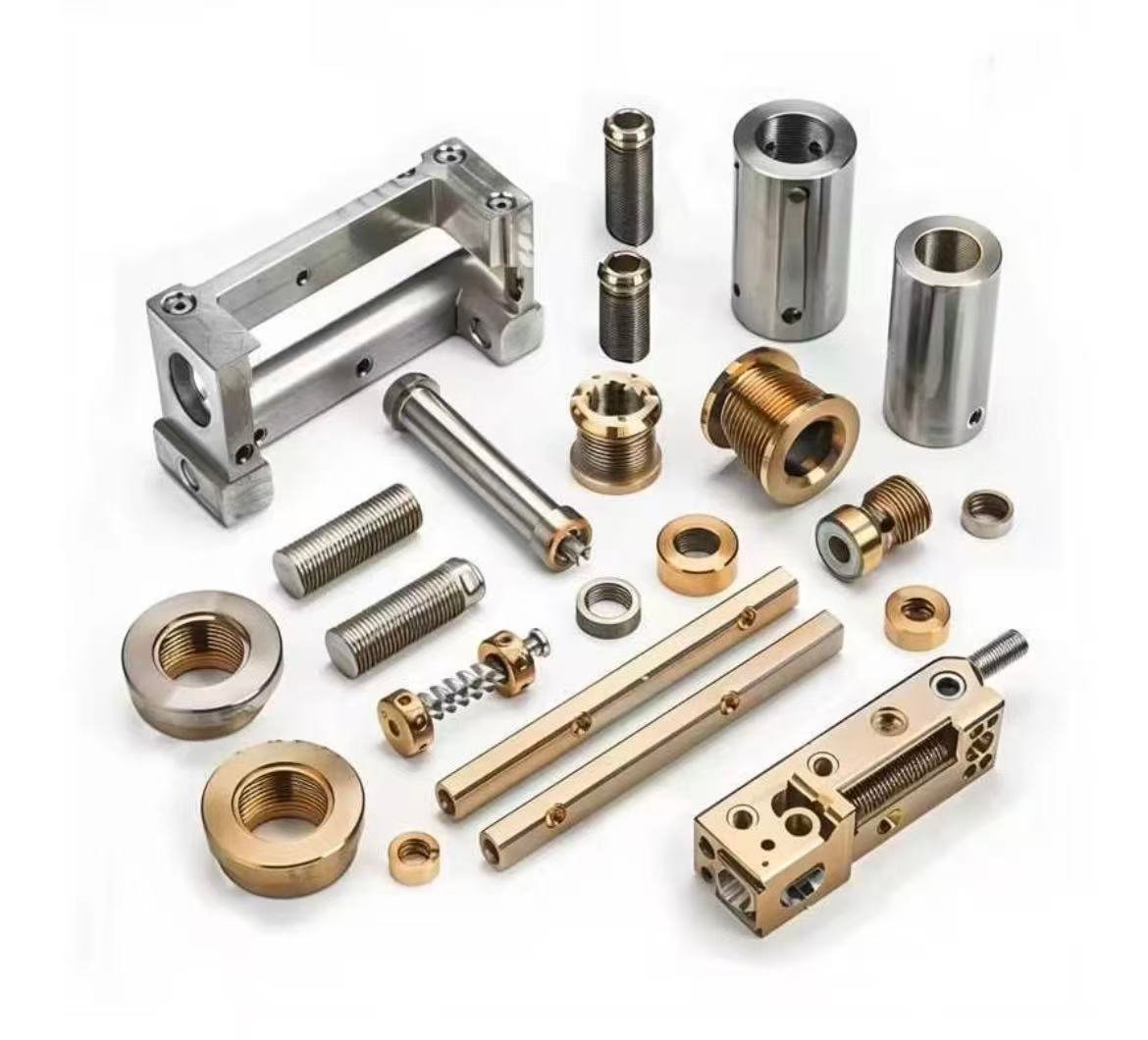
III. Strategies to Optimize Low-Volume Machining Costs
- Design Optimization: Consider manufacturability in the design phase, simplify part structures, and reduce unnecessary complex features to lower processing difficulty and costs from the source.
- Material Selection: Prioritize cost-effective, machinable materials that meet performance requirements to avoid over-engineering.
- Process Optimization: Collaborate with manufacturers to optimize process routes and adopt efficient strategies (e.g., high-speed cutting, multi-station machining) to shorten production cycles.
- Batch Planning: If future production expansion is planned, increase the initial batch size to dilute fixed costs and reduce unit prices.
Conclusion
Estimating the cost of custom low-volume machining is a combination of technology, experience, and market insight. It is not just a number but a business judgment of project risk and value. For companies like us deeply engaged in precision manufacturing, accurate cost estimation not only wins client trust but is also key to project profitability and sustainable development.